

Habakkuk Health Insights
Orthopedic News & Clinical Knowledge
Latest perspectives, technological advancements, and insights in joint reconstruction and trauma care.
Blog
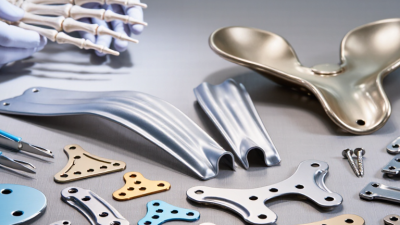
Top 10 Hand and Wrist Plating Systems Manufacturers
Hand and wrist plating systems have become essential tools in fracture fixation, especially when small fragments demand accurate reduction and stable support. The World Health Organization reported in 2022 that musculoskeletal conditions affect approximately 1.71 billion people worldwide. That figure includes many disorders beyond trauma, but it highlights the scale of clinical demand.
The hand and wrist segment is technically demanding. Plates must balance strength, low profile design, screw control, and protection of tendons and soft tissue. A few millimeters can affect grip, dexterity, and rehabilitation. This is where manufacturer experience matters.
This article reviews the Top 10 Hand and Wrist Plating Systems Manufacturers using practical and evidence-based criteria. These include product breadth, implant geometry, instrument usability, regulatory documentation, surgeon adoption, and published clinical experience. Data from Grand View Research and Fortune Business Insights indicate continued growth in the wider orthopedic devices market, although public reports rarely isolate hand and wrist plating revenue with complete accuracy. That limitation deserves attention.
Not every large orthopedic company leads in every wrist indication. Some specialists offer more refined distal radius or metacarpal solutions. Others provide stronger global distribution and training support. Real-world performance can also vary between hospitals, surgical preferences, and patient anatomy. Careful comparison is necessary.
The ranking is therefore directional, not absolute. It should support professional evaluation rather than replace clinical judgment. Product selection still requires assessment of fracture pattern, bone quality, surgical technique, and applicable regulatory requirements. Small details matter. Sometimes, they decide the outcome.
Read more »
 By:Ethan
- October 15, 2026
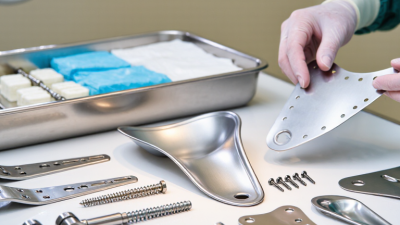
Top Foot and Ankle Fixation Systems for Global Buyers?
Selecting Foot and ankle fixation systems requires more than comparing prices, screw counts, or catalog photographs. Global buyers must assess clinical evidence, manufacturing consistency, sterilization controls, and local regulatory requirements. The World Health Organization reports that approximately 1.71 billion people live with musculoskeletal conditions worldwide. This burden supports continued demand for dependable orthopedic technologies, including trauma and reconstructive solutions.
Market intelligence also signals steady sector expansion. Grand View Research places the global orthopedic devices market at tens of billions of dollars, with continued growth projected through 2030. Fortune Business Insights similarly identifies trauma and extremity applications as important contributors to orthopedic device development. These reports provide useful direction, but they rarely reveal the practical details behind a successful fixation system. They may not show instrument balance, thread engagement, radiographic visibility, or how easily a scrub team prepares the tray.
Small details matter.
Experienced surgeons often evaluate plate contour, locking reliability, reduction control, and compatibility with imaging workflows. Procurement teams should verify ISO 13485 certification, documented biocompatibility testing, traceable materials, and appropriate market authorizations. FDA databases, European Medical Device Regulation requirements, and recognized standards can support responsible supplier screening. However, certification alone does not guarantee excellent clinical performance. That assumption deserves caution.
This guide examines leading Foot and ankle fixation systems for global buyers through a practical, evidence-informed lens. It considers product design, supplier credibility, clinical usability, inventory support, and after-sales training. Evidence remains uneven across markets, and direct product comparisons are not always perfect. Buyers should therefore combine published data with surgeon feedback, audited quality records, and carefully defined hospital requirements.
Read more »
 By:Madeline
- October 10, 2026
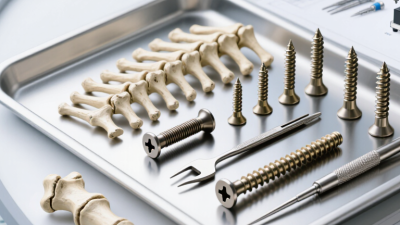
China Top Orthopedic Trauma Plating Systems Suppliers?
Choosing the right China Top Orthopedic Trauma Plating Systems Suppliers requires more than comparing product catalogs or factory photographs. Hospitals and distributors need evidence of engineering quality, clinical suitability, manufacturing consistency, and responsive support. A polished website is not enough. The real test may appear in a small detail, such as plate contour accuracy, screw thread consistency, tray labeling, or the supplier’s response to a difficult technical question.
Professor Peter B. Rüedi, a respected authority in orthopedic trauma, stated, “The goal of fracture treatment is to restore the patient to his pre-injury level of function.” That principle remains relevant when assessing Orthopedic trauma plating systems. A supplier should explain how its plates support fracture reduction, fixation stability, soft-tissue considerations, and surgeon workflow. Material specifications, dimensional drawings, sterilization guidance, quality records, and traceability deserve careful review. Claims should be verified.
No supplier is perfect. That matters.
This introduction examines leading Chinese manufacturers through practical and professional criteria, including product range, design capability, quality-management systems, regulatory documentation, export experience, and after-sales communication. It also considers how suppliers handle customization, instrument compatibility, packaging controls, and feedback from orthopedic professionals. Some companies may offer attractive prices but limited clinical documentation. Others may provide strong technical support yet lack broad international distribution. These differences can influence surgical confidence, procurement risk, and long-term value. A thoughtful comparison should remain evidence-based, transparent, and willing to question incomplete information. Because in orthopedic trauma, small weaknesses can become significant during a demanding operation.
Read more »
By:Ethan
- October 5, 2026
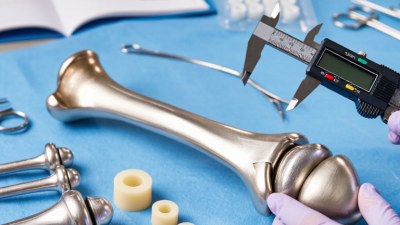
How to Source Joint Reconstruction Implants?
Sourcing Joint reconstruction implants is not simply a price comparison. It is a controlled process involving clinical fit, material safety, regulatory status, and long-term supplier reliability. The World Health Organization reports that musculoskeletal conditions affect approximately 1.71 billion people worldwide. This figure highlights the need for dependable reconstruction solutions, but it does not justify choosing the cheapest offer. Every implant must match the intended anatomy, surgical technique, and patient population.
The American Joint Replacement Registry’s annual reports show the growing importance of outcome tracking, revision rates, and implant survivorship. These data points can guide supplier evaluation. They also remind buyers to request evidence, not attractive brochures. A qualified manufacturer should provide ISO 13485 certification, material specifications, sterilization validation, traceability records, and applicable regulatory clearances. In the United States, FDA device listings and 510(k) documentation deserve careful review. In other markets, conformity requirements may differ.
Details decide.
A practical sourcing review should examine titanium or cobalt-chrome grades, polyethylene performance, packaging integrity, lot control, and complaint-handling procedures. The FDA’s Unique Device Identification system also supports product traceability throughout distribution and clinical use. However, certification alone cannot prove clinical value. That is where buyers may become overconfident. A polished audit file can still hide weak communication or inconsistent production capacity. Site audits, sample inspections, surgeon feedback, and documented corrective actions create a more realistic picture. This guide explains how to compare Joint reconstruction implants suppliers with evidence, disciplined questions, and a willingness to challenge assumptions. No single report provides the complete answer. Reliable sourcing comes from combining data with experience.
Read more »
 By:Evelyn
- September 30, 2026
How to Choose Total Hip Replacement Systems?
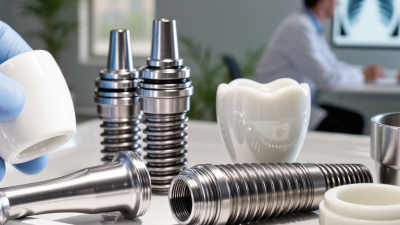
Choosing Total Hip Replacement Systems is not simply a matter of selecting the newest implant or the best-known brand. Each system combines a stem, cup, liner, and femoral head, with choices in materials and fixation. Details matter. A ceramic head paired with a polyethylene liner, for example, has different wear characteristics from other combinations. Yet no material pairing is automatically right for every patient.
The decision depends on factors such as bone quality, anatomy, activity level, allergies, and the surgeon’s technique. A line often attributed to Sir John Charnley, a pioneer of modern hip replacement, says, “The most important factor in the success of total hip replacement is the surgeon.” It is a useful reminder, but not a complete selection rule. The implant still deserves careful scrutiny. Ask about the proposed components, the reason for the fixation method, and the surgeon’s experience with that specific system. It is also worth discussing registry data, expected implant longevity, and possible revision risks. A brochure may make a system look straightforward. Real bodies are less predictable, and even good evidence cannot promise an individual outcome. Patients should review these questions with a qualified orthopedic surgeon, who can relate the options to their medical history and imaging. That conversation may feel less tidy than comparing product features, but it is more useful.
Read more »
By:Evelyn
- September 25, 2026
2026 Best Medial Pivot Knee Prosthesis for Global Buyers?
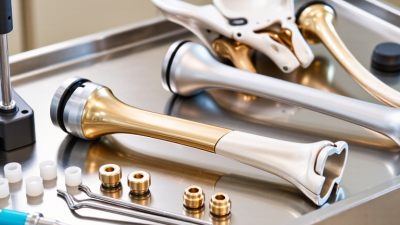
Choosing the 2026 best Medial pivot knee prosthesis requires more than comparing brochures or purchase prices. Global buyers need evidence, surgical experience, implant design, and dependable supplier support. A medial pivot knee prosthesis aims to reproduce the knee’s natural stability, especially during bending and weight transfer. Its performance depends on patient anatomy, implant alignment, surgical technique, and rehabilitation quality.
This guide examines practical factors that matter in hospitals and orthopedic centers. These include polyethylene design, femoral geometry, fixation options, instrumentation, wear resistance, and long-term clinical data. It also considers sterilization, traceability, training, delivery reliability, and after-sales communication. Small details matter. A missing instrument can delay surgery.
Experienced orthopedic teams often evaluate trial components before selecting a system. They may review radiographs, observe movement patterns, and compare outcomes across suitable patient groups. However, no implant is universally best. Marketing claims can sound precise while hiding limited follow-up data. That deserves caution.
Regulatory clearance, published evidence, and transparent quality systems should guide purchasing decisions. Buyers should also confirm local approval requirements and consult qualified orthopedic professionals before adoption. This article is designed to support informed comparison, not replace clinical judgment. Some evidence remains incomplete, especially for newer systems and diverse international populations. That uncertainty should be stated clearly.
For 2026, the strongest choice may be the implant that combines reliable clinical performance, surgeon familiarity, consistent manufacturing, and realistic total cost. Not the most expensive option. Not always the newest. A careful evaluation can protect patient outcomes, operating-room efficiency, and institutional trust.
Read more »
By:Madeline
- September 20, 2026

Top 10 Benefits of Hiring an Orthopedic Consulting Firm?
In the rapidly evolving field of orthopedics, challenges persist for practices aiming to stay ahead. An orthopedic consulting firm can provide essential insights and strategies. According to a 2021 report from the American Academy of Orthopaedic Surgeons, almost 75% of orthopedic practices face operational inefficiencies. These inefficiencies can lead to reduced patient satisfaction and financial losses. Thus, hiring an orthopedic consulting firm becomes crucial for navigating these complexities.
Expert guidance from seasoned consultants can enhance clinical performance and operational management. They offer tailored solutions based on robust data analysis and industry trends. A study by Deloitte highlights that practices utilizing consulting services saw a 30% improvement in patient outcomes within a year. Such numbers reflect the significant advantages these firms provide. Yet, not all firms are created equal. It's important to critically assess their track records and expertise before engaging.
Investing in an orthopedic consulting firm may initially seem daunting. However, addressing existing operational flaws is vital for long-term success. Firms that prioritize continuous improvement often thrive in competitive environments. Thus, exploring the benefits of such partnerships is essential for orthopedic practices aiming to elevate their standards and foster growth.
Read more »
By:Evelyn
- August 28, 2026

China Best Total Knee Arthroplasty Implants for Global Buyers?
As the demand for total knee arthroplasty implants grows globally, China stands out as a key player in this industry. Dr. Emily Chen, a renowned orthopedic surgeon and expert in knee implants, has stated, "Quality and innovation in total knee arthroplasty implants will define the future of orthopedic care." This reflects the importance of selecting the right implants for successful surgical outcomes.
China offers a variety of total knee arthroplasty implants designed to meet diverse needs. Manufacturers focus on biomaterials and advanced designs to enhance function and longevity. However, challenges remain in balancing cost with quality. Many global buyers seek implants that not only serve their patients well but also align with budgetary constraints.
The industry's reputation hinges on both product quality and reliability. Some foreign buyers report hesitation due to concerns over quality standards. This emphasizes the need for transparent communication and rigorous testing in the manufacturing process. Exploring these elements will not only inform global buyers but also strengthen the industry's integrity.
Read more »
By:Ethan
- August 28, 2026

Top 10 Orthopedic Implant Distribution Companies You Should Know?
In the rapidly evolving field of orthopedic implant distribution, the role of expert knowledge cannot be overstated. Dr. Emily Hartman, a renowned orthopedic surgeon, emphasizes, "The right implant can change the trajectory of recovery." This statement highlights the critical interplay between surgical outcomes and effective distribution strategies.
The orthopedic implant distribution industry is complex and multifaceted. Many companies vie for market share, each claiming superior products and services. However, navigating this landscape requires more than just marketing claims. It demands a deep understanding of logistics, regulatory compliance, and surgeon preferences.
Despite industry advancements, challenges remain. Delays in supply chains and varying quality standards can impact patient care. As we explore the top 10 orthopedic implant distribution companies, we must consider not only their market position but also their commitment to excellence and innovation. Each company’s approach to distribution shapes the future of orthopedic care, emphasizing a need for reliable partners in this critical field.
Read more »
By:Evelyn
- August 28, 2026