
Orthopedic Surgical News and Articles

Habakkuk Health Insights

Orthopedic News & Clinical Knowledge

Latest perspectives, technological advancements, and insights in joint reconstruction and trauma care.

0%

Choosing an orthopedic instrument manufacturer is more than comparing product catalogs. The instruments must suit the procedures, teams, and sterilization workflows for which they are intended. Orthopedic surgical instrumentation includes tools for bone cutting, drilling, fixation, and soft-tissue handling. Each has a practical role in the operating room.

Small details matter. A handle’s grip, a retractor’s reach, or the balance of a saw can affect how an instrument feels during repeated use. Product specifications, material information, cleaning guidance, and service support deserve careful review. Buyers should also confirm that instruments are compatible with their existing systems and meet the requirements applicable to their facility. A polished catalog is not enough.

This guide introduces ten manufacturers associated with orthopedic surgical instrumentation. It offers a starting point for comparing product range, manufacturing capabilities, quality processes, and customer support. Where available, consult current manufacturer documentation and speak with clinical, procurement, and sterile-processing teams before making decisions. Their needs may differ, and a useful instrument in one setting may not fit another.

No shortlist is perfect. Company offerings change, and public information can be uneven. That is worth keeping in mind. The manufacturers presented here should be assessed on verifiable details, not on broad claims alone. Careful evaluation can help readers identify suppliers for further consideration, but this overview is not a substitute for clinical judgment or direct due diligence.
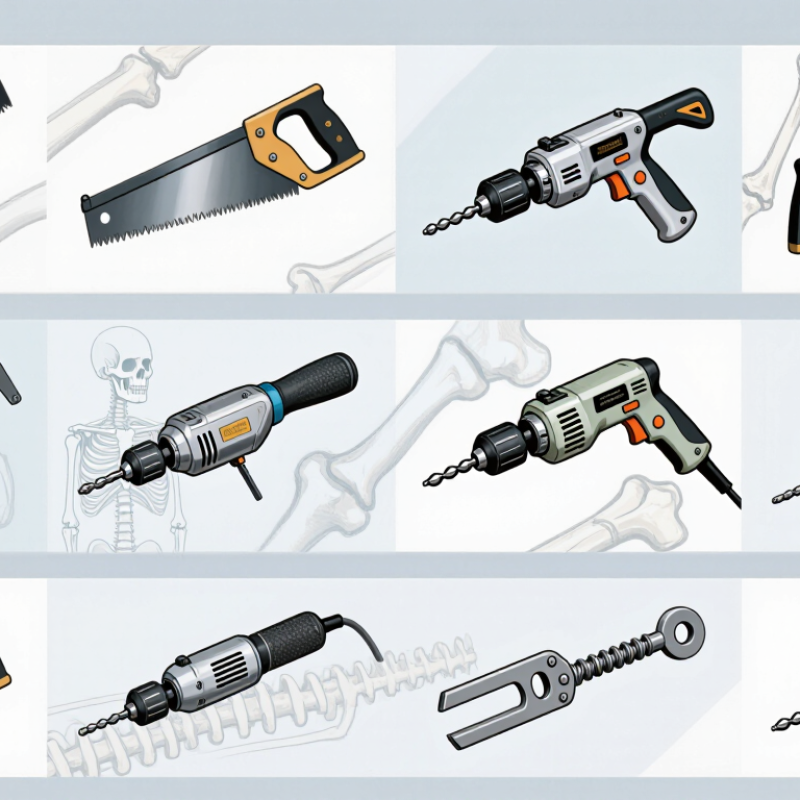
10 Best Orthopedic Surgical Instrumentation Manufacturers

What Orthopedic Surgical Instrumentation Manufacturers Produce

Orthopedic surgical instrumentation manufacturers produce tools that help surgeons expose, cut, align, drill, and fix bone. Their catalogs may include retractors, osteotomes, bone saws, depth gauges, drill guides, and torque-limiting drivers. They also make procedure-specific trays and reusable instrument sets. The World Health Organization’s 2022 Global Status Report on Musculoskeletal Health estimates that 1.71 billion people live with musculoskeletal conditions worldwide. This figure describes clinical burden, not instrument sales or future demand.

For joint replacement, a set may include cutting guides, trial components, and impactors sized for specific surgical steps. Fracture-care instruments can include reduction clamps and drill sleeves that help guide screws through bone. Manufacturers must also provide processing instructions for reusable devices. ISO 17664-1:2021 addresses information manufacturers provide for processing health-care products. For metal instrument materials, ISO 7153-1:2016 sets out relevant material specifications.

Small details matter. A handle that is hard to grip with gloves, or a tray slot that traps soil, can complicate use and cleaning. Design verification commonly examines fit, function, durability, and cleanability, though testing cannot mirror every operating room. One limitation deserves attention: broad disease estimates do not reveal which instruments clinicians need most. Feedback from surgical teams and sterile-processing staff helps identify gaps that laboratory testing may miss.

What Orthopedic Surgical Instrumentation Manufacturers Produce

Representative instrument types across common orthopedic product categories

The bars count representative instrument types listed for each category: for example, drills and screwdrivers for fixation, or reamers and broaches for canal preparation. These are illustrative category counts, not production volumes or market shares.

How Orthopedic Instrument Manufacturers Are Evaluated

How Orthopedic Instrument Manufacturers Are Evaluated

Evaluating an orthopedic instrumentation manufacturer starts with evidence, not catalogue claims. Review material specifications, dimensional tolerances, corrosion testing, and documented quality controls. Ask for validated cleaning and sterilization instructions, plus records linking each instrument batch to its production history. These details matter when a retractor’s hinge must move smoothly after repeated processing.

The World Health Organization’s Global Patient Safety Report 2024 estimates that about one in ten patients experiences harm in healthcare; more than half of that harm is preventable. The figure is not specific to surgical instruments, but it underscores why quality systems and risk controls deserve close scrutiny.

Technical documents are only part of the assessment. Check how manufacturers test instruments in simulated use, investigate complaints, and handle repairs or replacements. Request measurable service data, such as repair turnaround time and defect rates, rather than relying on broad promises. That matters. In a hands-on evaluation, compare grip comfort, balance, visibility, and fit with the intended surgical workflow. A tool may meet its specification and still feel awkward through a long procedure. That is easy to miss on paper. Independent audit results and clear corrective-action records can strengthen confidence, though no single certificate proves clinical performance. A careful review should combine documentation, practical handling, and transparent follow-up data.

Ten Leading Orthopedic Surgical Instrumentation Manufacturers

Ten leading orthopedic surgical instrumentation manufacturers are distinguished by more than the number of instruments in their catalogs. Their products must support precise work across procedures such as fracture fixation, joint replacement, and spinal surgery.

A well-designed set may include calibrated drills, reamers, cutting guides, clamps, and handles that fit securely in the surgeon’s hand. In a busy operating room, clear markings and an orderly tray can save time and reduce avoidable confusion.

Manufacturers also differ in material quality, manufacturing consistency, and the documentation supplied with each instrument. Hospitals need reliable information on cleaning, sterilization, inspection, and maintenance.

Compatibility matters, too: a guide or driver must work with the intended implants and equipment, not merely look similar. Small details matter. A loose handle or hard-to-read depth mark can disrupt a familiar workflow.

Buyers should assess service support, replacement-part availability, and instrument life-cycle costs alongside purchase price. No single maker suits every facility; procedure mix, staff preferences, and local equipment requirements shape the best fit.

Even careful comparisons have limits, since published specifications cannot fully show how a tool feels during repeated use.

Common Product Categories and Technologies

Common Product Categories and Technologies

Orthopedic instrumentation spans tools for cutting, drilling, shaping, and stabilizing bone. A typical catalog may include oscillating saws, bone drills, reamers, osteotomes, curettes, and retractors. Reduction forceps and alignment guides help surgeons position bone fragments during procedures. Implant-specific instruments, such as drivers and sizing tools, support accurate placement. Small details matter: a secure grip, clear depth markings, and balanced weight can affect control in a narrow surgical field.

Manufacturers may offer powered handpieces, interchangeable attachments, and modular trays designed around particular procedures. Precision machining helps maintain consistent fit between instruments, while corrosion-resistant materials must tolerate repeated cleaning and sterilization. Some systems include depth stops or guides to limit unwanted movement. Useful features, not magic. Product specifications should explain materials, compatibility, and care requirements; clinical teams still need to assess handling and workflow. A polished catalog is not proof of performance. Fit, durability, and ease of reprocessing deserve practical evaluation, and claims should be checked against documented testing. There is no perfect instrument set for every surgeon or case. That point is easy to overlook.

Factors to Consider When Selecting a Manufacturer

When comparing orthopedic surgical instrumentation manufacturers, assess evidence behind their quality claims. The WHO’s 2022 Global Report on Infection Prevention and Control estimates that healthcare-associated infections affect 7 in 100 patients in high-income countries and 15 in 100 in low- and middle-income countries. These figures do not measure instrument-related infections, but they show why validated cleaning and sterilization instructions matter. Request reprocessing validation, material specifications, and lot-level traceability. Then check whether these records match the instruments your team actually receives.

Inspect the details. Do handles offer a secure grip with wet gloves? Do cutting edges remain consistent across batches? Ask for dimensional inspection data, corrosion testing, and evidence that instruments withstand repeated reprocessing. A polished sample is not enough. Review the manufacturer’s quality-system certification, audit history, complaint handling, and corrective-action process. The WHO’s 2024 Global Patient Safety Report notes that about 1 in 10 patients experiences harm in healthcare, with more than half of harm considered preventable. That broad estimate cannot predict a supplier’s performance, so verify claims directly. Request references from facilities using comparable instruments, and clarify repair turnaround, spare-part availability, and change notifications. Small gaps matter. A missing service record or unclear revision label may seem minor, yet can complicate instrument tracking during a busy operating day.

FAQS

What do orthopedic surgical instruments help surgeons do?

They help expose, cut, drill, align, and stabilize bone. A clear depth mark matters.

Which tools may be found in an orthopedic instrument set?

Sets may include retractors, bone drills, reamers, cutting guides, clamps, and depth gauges. Contents vary by procedure.

What instruments are commonly used in joint replacement?

Sets may include cutting guides, trial components, and impactors sized for specific steps. Fit matters.

What features can help during fracture procedures?

Reduction clamps and drill sleeves help position bone and guide screw placement. Small details matter.

Why do grip and markings matter?

Gloves can make a handle feel different, while unclear depth marks may disrupt a familiar workflow. Not a minor issue.

What should hospitals check when comparing instrument sets?

They should assess compatibility, cleaning instructions, replacement-part access, service support, and life-cycle costs. Purchase price alone is incomplete.

Why are cleaning and sterilization instructions important?

Reusable instruments need clear processing instructions. A tray slot that traps soil can complicate cleaning.

Can product specifications show how an instrument performs in surgery?

Specifications describe features and testing, but they cannot recreate every operating room. A polished catalog proves little.

What materials and design checks may matter?

Materials should tolerate repeated processing, and design checks may assess fit, function, durability, and cleanability. Testing has limits.

Is one instrument set suitable for every facility?

No. Procedure mix, staff preferences, and equipment needs shape the fit. Real use can still surprise.

Conclusion

Orthopedic surgical instrumentation includes the specialized tools and systems used to support procedures involving bones, joints, and related structures. Manufacturers may produce instruments for cutting, drilling, fixation, alignment, and implant placement, along with reusable and single-use options. Their products can incorporate ergonomic designs, precise measurement features, and technologies intended to support consistency and efficient handling in the operating room.

Evaluating manufacturers involves considering product quality, manufacturing expertise, regulatory compliance, reliability, and customer support. This overview introduces ten leading manufacturers as a category, without endorsing any one company, and describes common product groups and technological developments in the field. When selecting a manufacturer, healthcare organizations can assess the fit of its instruments with clinical needs, compatibility with existing systems, availability of training and service, and the overall value offered.

Ethan

Ethan

Ethan is a dedicated marketing professional with a deep expertise in our company’s products and services. With years of experience in the industry, he has developed a profound understanding of our core business, which focuses on delivering innovative solutions tailored to our clients' needs.......