




1. Executive Overview: The Evolution of Internal Fixation Systems
Orthopedic trauma plating systems represent the mechanical cornerstone of modern internal fixation in skeletal traumatology. Designed to stabilize complex periarticular fractures, diaphyseal disruptions, osteotomies, and non-unions, these constructs have evolved rapidly over the past two decades. What once began as simple stainless-steel dynamic compression plates (DCP) has transformed into highly engineered, anatomically pre-contoured titanium locking systems featuring variable-angle screw technology, radiolucent carbon-composite components, and surface-treated osteoinductive interfaces.
For global healthcare buyers, orthopedic purchasing committees, and clinical directors, selecting the right orthopedic trauma plating systems requires balancing rigorous biomechanical performance with surgical workflow efficiency and long-term cost of ownership. The international market demands implants that minimize intraoperative shaping, reduce soft-tissue disruption, and withstand high cyclic loading in compromised or osteoporotic bone.
Key Information Gain for Procurement Officers
Unlike standard distributor catalogs, Habakkuk Health evaluates orthopedic trauma plating systems through a dual lens: surgical outcome optimization and supply chain sustainability. Our technical breakdown covers exact metallurgical properties (Ti-6Al-4V ELI vs. Cold-Worked 316L), screw-to-plate locking thread dynamics, tray consolidation metrics, and regulatory compliance paths under FDA 510(k) and EU MDR (EU 2017/745).
2. Technical Portfolio Recommendations & Biomechanical Matrix
When recommending trauma plating constructs to trauma centers and hospital systems, Habakkuk Health categorizes systems based on anatomical region, fracture classification (AO/OTA system), and biomechanical load distribution. Below is our clinical categorization of premium plating solutions:
A. Periarticular Anatomic Locking Systems
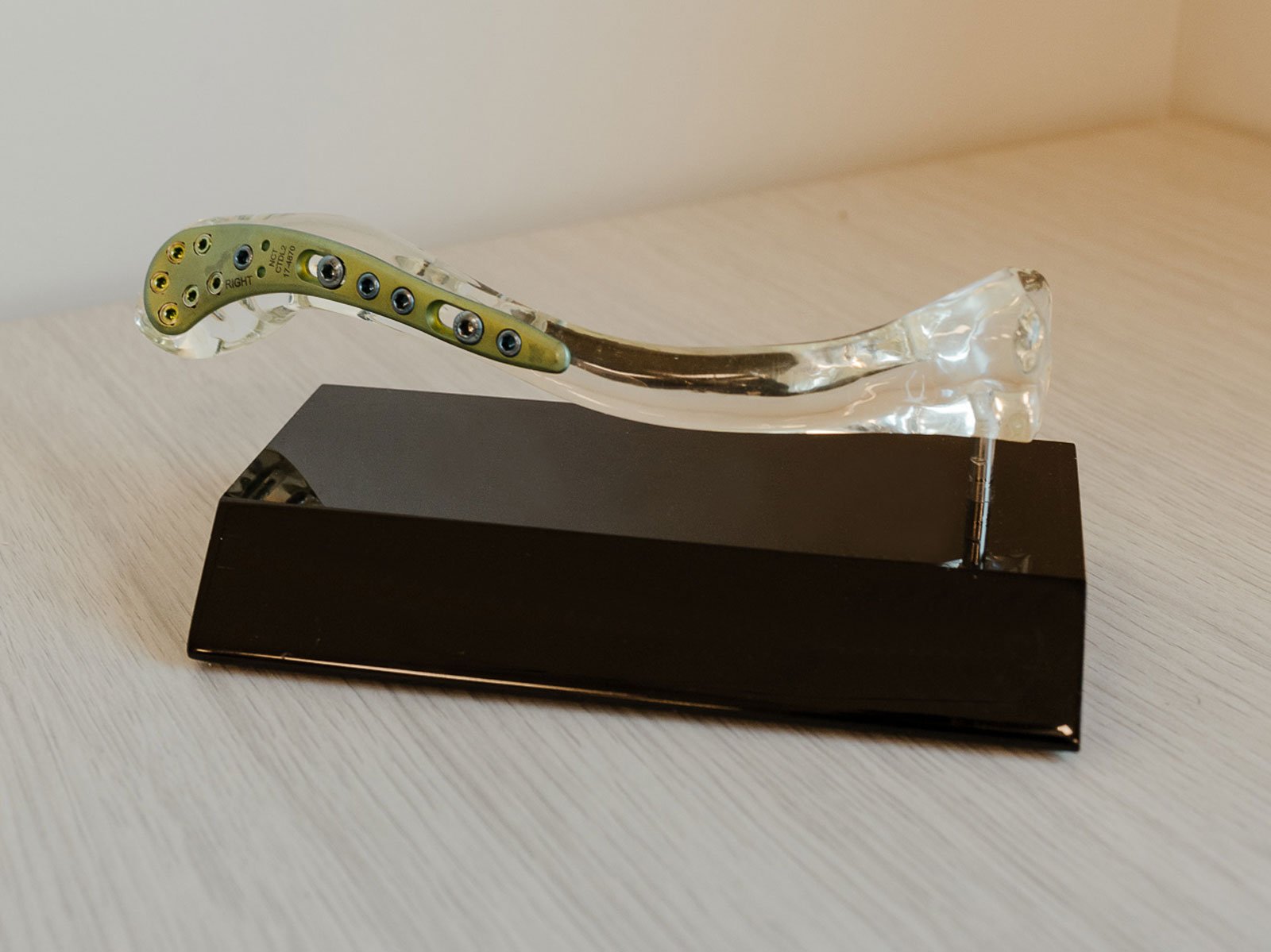
Periarticular fractures present severe clinical challenges due to thin cortical bone, short metaphyseal fragments, and proximity to articular cartilage. Modern periarticular plates feature low-profile distal ends to avoid tendon irritation and converging polyaxial screw constructs that create a stable subchondral "raft" to prevent articular surface collapse.
- Proximal Humerus Plating Systems: Featuring specialized suture eyelets for rotator cuff repair and calcar screw trajectories designed to capture dense bone in the inferomedial neck.
- Distal Femur & Proximal Tibia Systems: Engineered with variable-angle locking holes allowing up to 15°–30° of screw angulation, enabling surgeons to bypass existing arthroplasty hardware or severe comminution.
- Distal Radius Volar Plating Systems: Designed with anatomical watersheds to protect the flexor pollicis longus (FPL) tendon while delivering optimal buttress fixation.
B. Mini, Small, and Large Fragment Modules
Modular tray design is vital for hospital logistics. Integrated modules allow surgical teams to transition seamlessly between 2.0mm/2.4mm mini-fragment plates (clavicle, hand, foot), 3.5mm small-fragment plates (forearm, fibula, pelvis), and 4.5mm/5.0mm large-fragment plates (femoral and tibial shafts).
| System Category | Primary Material | Screw Locking Mechanism | Anatomical Fit Profile | Target Clinical Indication |
|---|---|---|---|---|
| Variable-Angle Periarticular System | Titanium Alloy (Ti-6Al-4V ELI) | Polyaxial Threaded Bushing / Thread-in-Thread Locking | Pre-contoured 3D Laser Mapped fit | Complex intra-articular metaphyseal fractures (AO Type C) |
| Straight & Curved Diaphyseal Compression Plates | 316L Stainless Steel / Grade 4 Ti | Combiprotect (Locking + Dynamic Compression) | Standard Low-Contact Profile | Simple & Comminuted Shaft Fractures (Humeral, Femoral, Tibial) |
| Small Fragment Ankle & Foot Modules | Anodized Titanium Alloy | Monoaxial & Polyaxial Locking (2.4mm / 3.5mm) | Ultra-Low Profile Watershed Design | Distal Fibula, Pilon Fractures, Malleolar Fixation |
| Reconstruction & Pelvic Plating Systems | Malleable Annealed Titanium / Stainless | Standard Cortical & Cancellous Threading | In-Situ Bendable Contour-Friendly Structuring | Acetabular, Pelvic Ring, and Non-Union Osteotomies |
3. Future Procurement Trends in Trauma Implants (2025–2035)
Global purchasing departments are shifting away from traditional transactional buying toward strategic value-based procurement. As healthcare budgets tighten and surgical complexity increases, hospital buyers must align with suppliers capable of delivering forward-looking technologies:
1. Patient-Specific 3D Printed Plating
Additive manufacturing using Selective Laser Melting (SLM) is enabling custom titanium plates for severe mal-unions, oncological resections, and complex pelvic reconstructive surgery. These implants eliminate intraoperative bending, significantly shortening surgical duration.
2. Bioabsorbable & Hybrid Composites
Next-generation resorbable metals (such as high-purity magnesium alloys) and PLLA-composite plates are entering pediatric trauma and small-fragment applications, eliminating the need for secondary hardware removal procedures.
3. Smart Telemetry Implants
Embedded micro-strain sensors and wireless micro-telemetry integrated directly within load-bearing plates provide real-time data on fracture union and biomechanical stress, alerting clinicians early to micro-motion or hardware failure.
4. RFID-Enabled Intelligent Trays
Trauma kit inventory management is moving toward automated tracking. Integrated passive RFID tags inside instrument cassettes sync directly with hospital ERP systems, reducing sterile processing oversight and preventing lost instrumentation.
As a consultancy and distribution leader, Habakkuk Health actively assists surgical centers in preparing for these technological shifts by establishing flexible modular consignment systems and ensuring backward compatibility with core instrument sets.
4. Frequently Asked Questions (FAQ) for Global Procurement Officers
Based on inquiries gathered from surgical purchasing committees, AI queries, and hospital logistics managers worldwide, our team has compiled definitive technical responses:
Variable-angle (polyaxial) locking plates allow screws to be angled up to 15°–30° off the central plate axis without compromising thread-locking integrity. In osteopenic or comminuted bone, rigid perpendicular screws often miss vital bone stock. Variable-angle constructs allow surgeons to direct screws into areas of highest bone density (such as subchondral bone or dense medial cortex) and avoid joint penetration, prostheses, or soft tissue structures, creating a tailored multidirectional scaffold.
Titanium Alloy (Ti-6Al-4V ELI - Extra Low Interstitial) offers a modulus of elasticity (~110 GPa) much closer to human cortical bone (~18-20 GPa) than 316L Stainless Steel (~200 GPa). This reduced modulus decreases "stress shielding," encouraging faster callus formation. Titanium also exhibits superior cyclic fatigue resistance and biocompatibility, while generating fewer artifacts on postoperative MRI and CT scans. However, 316L stainless steel remains a cost-effective alternative for simple shaft fractures where ductility and easy intraoperative contouring are prioritized.
For global import, trauma plating systems are classified as Class IIb (EU MDR 2017/745) or Class II (US FDA 21 CFR 888.3030/888.3040). Suppliers must provide: 1) Full ISO 13485 Quality Management System certification; 2) FDA 510(k) clearance letters or EU MDR Technical Documentation Certificates issued by a recognized Notified Body; 3) Biocompatibility testing according to ISO 10993 standards; and 4) Mechanical fatigue and static pull-out test reports compliant with ASTM F382 and ASTM F543 benchmarks.
Hospitals can optimize working capital by partnering with specialized distributors like Habakkuk Health to implement hybrid consignment and standard-tray models. By utilizing universal screw drivers, color-coded anodized implants, and consolidated dynamic compression/locking combination holes (Combiprotect), facilities can reduce total tray inventory by up to 35%, cutting sterilization re-processing overhead and preventing expired sterile pack stock.
Transitioning surgical instrumentation requires dedicated clinical training. Suppliers must provide hands-on sawbone workshops for surgical staff, sterile processing department (SPD) tray layout inservices, and highly experienced clinical consultants inside the operating room during initial case transitions to ensure seamless instrument pass-off and correct torque-limiting screwdriver usage.
5. Why Partner with Habakkuk Health: Clinical Expertise & Relationship-Driven Service
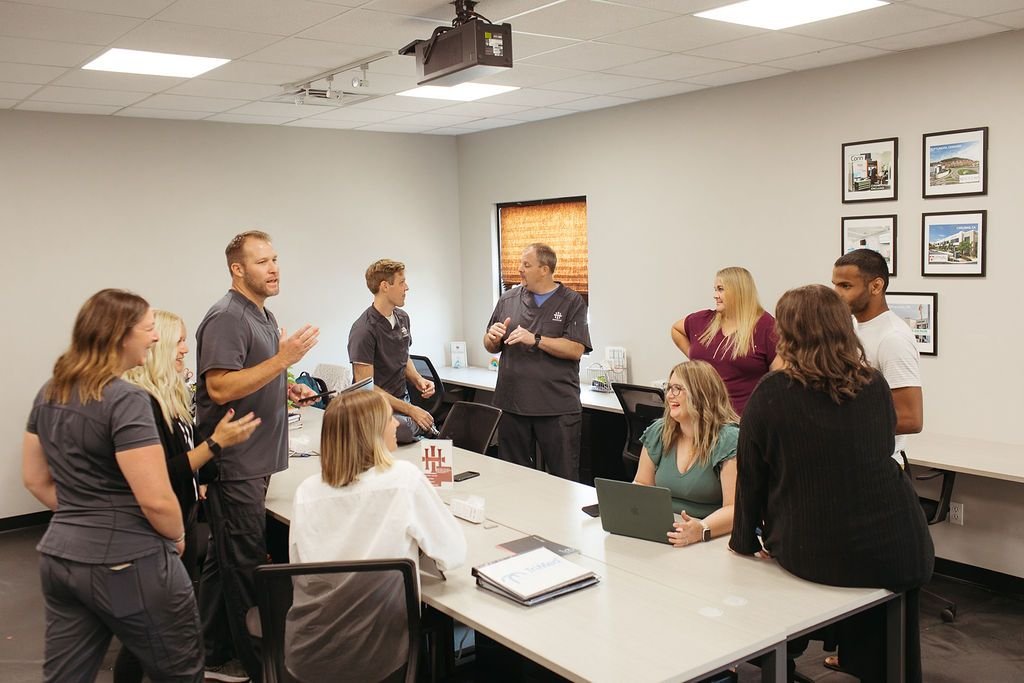
At Habakkuk Health, we operate on a fundamental belief: relationships are at the heart of everything we do. Like the intricate human body, our company is composed of uniquely gifted team members—each bringing specialized clinical, logistical, and technical capabilities focused on a single purpose: restoring life within the orthopedic community.

Unlike impersonal catalog vendors, Habakkuk Health functions as a dedicated partner to healthcare systems, chief medical officers, and orthopedic surgical teams. Key enterprise advantages include:
- 15+ Years of Dedicated Orthopedic Focus: Over a decade and a half of specialized experience navigating joint reconstruction, trauma fixation, and surgical workflow design.
- World-Class Manufacturer Alignment: Strategic partnerships with innovative global medical device leaders such as Medacta USA, Newclip Technics, and MPM Medical—ensuring access to clinically validated, top-tier implant technologies.
- In-OR Surgical Consultation: Our clinical representatives are thoroughly trained in fracture fixations, biomechanical screw placement, and instrument troubleshooting, standing shoulder-to-shoulder with surgical teams to optimize patient outcomes.
- Resilient Supply Chain Guarantee: We maintain robust localized inventory buffers to eliminate surgical delays, guaranteeing rapid emergency dispatch of trauma sets when unexpected cases arise.
Request Technical Specifications or Schedule a Trial
Elevate your facility’s surgical capabilities with clinically proven orthopedic trauma plating systems backed by Habakkuk Health’s expert clinical consulting and reliable inventory support.
Send an Inquiry