
Habakkuk Health Insights
Orthopedic News & Clinical Knowledge
Latest perspectives, technological advancements, and insights in joint reconstruction and trauma care.
China Top Orthopedic Trauma Plating Systems Suppliers?
Table of Contents
Choosing the right China Top Orthopedic Trauma Plating Systems Suppliers requires more than comparing product catalogs or factory photographs. Hospitals and distributors need evidence of engineering quality, clinical suitability, manufacturing consistency, and responsive support. A polished website is not enough. The real test may appear in a small detail, such as plate contour accuracy, screw thread consistency, tray labeling, or the supplier’s response to a difficult technical question.
Professor Peter B. Rüedi, a respected authority in orthopedic trauma, stated, “The goal of fracture treatment is to restore the patient to his pre-injury level of function.” That principle remains relevant when assessing Orthopedic trauma plating systems. A supplier should explain how its plates support fracture reduction, fixation stability, soft-tissue considerations, and surgeon workflow. Material specifications, dimensional drawings, sterilization guidance, quality records, and traceability deserve careful review. Claims should be verified.
No supplier is perfect. That matters.
This introduction examines leading Chinese manufacturers through practical and professional criteria, including product range, design capability, quality-management systems, regulatory documentation, export experience, and after-sales communication. It also considers how suppliers handle customization, instrument compatibility, packaging controls, and feedback from orthopedic professionals. Some companies may offer attractive prices but limited clinical documentation. Others may provide strong technical support yet lack broad international distribution. These differences can influence surgical confidence, procurement risk, and long-term value. A thoughtful comparison should remain evidence-based, transparent, and willing to question incomplete information. Because in orthopedic trauma, small weaknesses can become significant during a demanding operation.
What Are Orthopedic Trauma Plating Systems?
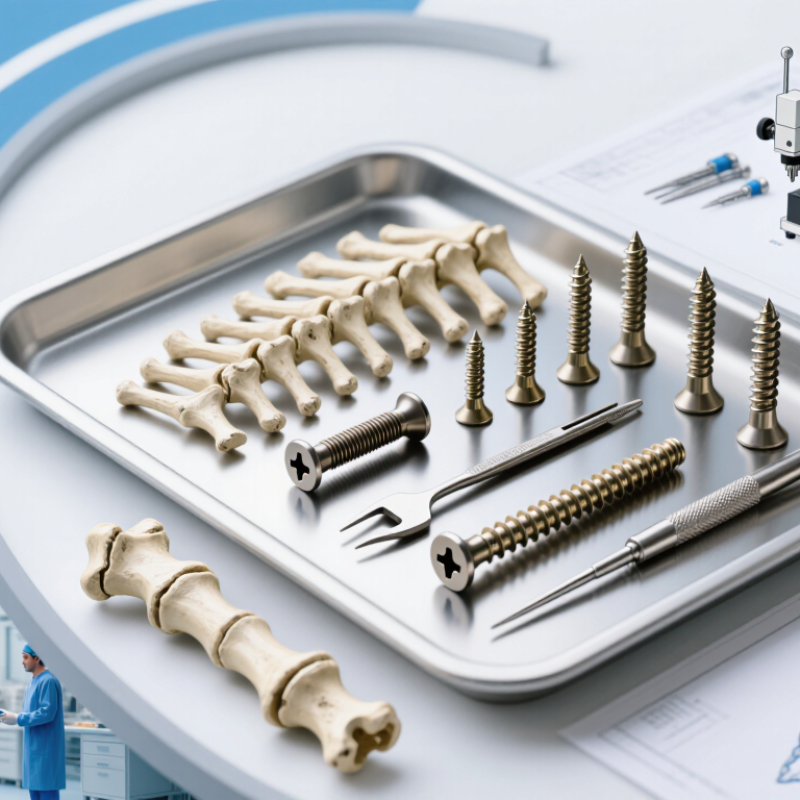
Orthopedic trauma plating systems are coordinated surgical tools used to stabilize fractured bones. A typical system includes plates, screws, drill guides, depth gauges, and insertion instruments. The plate supports the fracture while healing occurs. Screws maintain alignment and control movement.
Designs vary by anatomy and injury pattern. A distal radius plate may be narrow and contoured around the wrist. A tibial plate often needs stronger support and careful soft-tissue clearance. Locking screws can improve fixation in weaker bone. Compression holes may help close a fracture gap. These features require accurate planning, not simple product selection.
Reliable suppliers in China should provide material certificates, dimensional drawings, sterilization guidance, and traceability records. They should also explain testing methods and regulatory status for the target market. Experienced buyers often inspect instrument fit, screw engagement, and packaging quality before clinical use. Small defects matter.
No system is perfect. A plate that fits one patient may irritate another. A complete catalog does not guarantee surgical usability. Supplier communication can also be uneven, especially when custom requests change specifications. Clear technical files, sample evaluation, and documented quality controls help reduce those risks. Surgeons and hospitals should make final choices through qualified clinical and regulatory review.
How Are China’s Plating Systems Classified and Used?
China’s orthopedic trauma plating systems are commonly classified by bone, fracture pattern, and fixation method. Long-bone plates may include compression, locking, reconstruction, and bridge designs. Smaller systems serve the hand, wrist, foot, or facial skeleton. Some plates are anatomically contoured, while others can be shaped during surgery. Locking plates secure screws through threaded holes, creating a fixed-angle construct. Conventional plates rely more on plate-to-bone contact and compression. The distinction sounds simple. Real cases are less tidy.
Surgeons select a system after reviewing radiographs, CT findings, soft-tissue condition, and bone quality. A distal radius plate may support several subchondral screws near the joint. A shaft fracture may need a longer bridge plate, preserving the fracture zone and limiting unnecessary exposure. In osteoporotic bone, locking options may improve screw purchase. They do not replace reduction, alignment, or soft-tissue judgment. Plate thickness, hole pattern, screw diameter, and instrument compatibility also affect safe use. Fit matters.
Tips: Compare suppliers by documented material standards, dimensional inspection, sterilization status, traceability, and clinical-use instructions. Request test reports and confirm that instruments match the implant set. Do not choose from catalog images alone. A plate may look suitable but conflict with screw trajectory or available bone. Experienced teams still reassess the plan during surgery.
| Classification Dimension | Common Plating System Type | Typical Anatomical Application | Key Structural Features | Typical Clinical Use | Important Selection Considerations |
|---|---|---|---|---|---|
| Fixation principle | Compression plate Locking plate Neutralization plate Buttress plate | Long bones, periarticular regions, and metaphyseal fractures | Compression plates use eccentric or dynamic hole geometry to create axial compression. Locking plates use threaded plate holes and locking screws to form a fixed-angle construct. Buttress plates support a fracture fragment against shear or collapse. | Compression of selected simple fracture patterns, bridge fixation of comminuted fractures, and support of articular or metaphyseal fragments. | Fracture pattern, bone quality, soft-tissue condition, desired stability, and the need to preserve periosteal blood supply. |
| Plate geometry | Straight plate Contoured plate Anatomically pre-contoured plate T-shaped plate L-shaped plate | Clavicle, forearm, humerus, femur, tibia, ankle, and periarticular zones | Straight plates provide adaptable longitudinal coverage. Contoured and pre-contoured plates are shaped to match common bone anatomy and may reduce intraoperative bending. | Diaphyseal fixation, distal or proximal periarticular fixation, and fractures requiring support of a specific bone surface. | Anatomical fit, plate length, screw trajectory, contouring requirements, prominence under the skin, and compatibility with the surgical approach. |
| Anatomical region | Upper limb system Lower limb system Pelvic system Small-bone system | Clavicle, humerus, radius, ulna, femur, tibia, fibula, ankle, pelvis, hand, and foot | Dimensions, hole orientation, plate curvature, and screw options vary according to bone size, loading environment, and local anatomy. | Management of fractures involving the shaft, metaphysis, or joint-adjacent portions of the specified anatomical region. | Bone dimensions, neurovascular structures, joint surface proximity, soft-tissue coverage, expected mechanical loading, and patient age. |
| Screw interface | Conventional screw holes Locking screw holes Combination holes Variable-angle locking holes | Diaphyseal and periarticular fixation | Conventional holes allow screw compression or neutral fixation. Combination holes can accept conventional and locking screws. Variable-angle designs permit controlled changes in screw direction within the manufacturer's specified range. | Mixed constructs, fixed-angle support in osteoporotic bone, and fixation near joints where screw direction may need to avoid the articular surface. | Thread engagement, permitted screw angulation, screw diameter, trajectory control, purchase in the far cortex, and avoidance of joint penetration. |
| Material | Titanium alloy Stainless steel Cobalt-chromium alloy | Trauma fixation across upper- and lower-limb applications | Titanium alloys generally have a lower elastic modulus than stainless steel and are widely used for their corrosion resistance and biocompatibility. Stainless steel offers high strength and established surgical use. Cobalt-chromium alloys provide high strength and wear resistance but are less common for routine trauma plates. | Internal fixation where mechanical stability is required during bone healing. | Mechanical strength, fatigue performance, corrosion resistance, imaging considerations, patient sensitivity history, and compatibility between plate and screw materials. |
| Fracture morphology | Simple fracture Wedge fracture Comminuted fracture Intra-articular fracture | Long-bone shafts, metaphyses, and joint-adjacent regions | Simple patterns may be treated with compression or lag-screw techniques supplemented by a neutralization plate. Comminuted patterns may require bridge plating. Articular fractures often require fragment-specific reduction and subchondral support. | Restoration of alignment, length, rotation, joint congruity, and functional stability. | Reduction quality, biological preservation, construct length, working length, screw distribution, and the risk of excessive stiffness or loss of fixation. |
| Fixation strategy | Absolute stability Relative stability | Selected simple fractures and complex comminuted fractures | Absolute stability aims to minimize interfragmentary motion through compression or rigid fixation. Relative stability permits controlled motion and is commonly used with bridge-plating concepts to support indirect healing. | Direct healing is associated with appropriately compressed, anatomically reduced fracture sites; relative stability is used when preserving fracture biology and bridging intermediate fragments. | Fracture biology, soft-tissue damage, patient factors, bone quality, reduction demands, and the mechanical environment required for healing. |
| Plate profile | Standard profile Low-profile Extra-low-profile | Clavicle, distal radius, ankle, hand, foot, and other areas with limited soft-tissue coverage | Lower-profile plates are designed to reduce soft-tissue prominence while maintaining sufficient structural performance for the intended indication. | Fractures in anatomically prominent or subcutaneous locations where implant prominence may affect comfort or wound management. | Soft-tissue thickness, plate edge design, bending resistance, screw head prominence, wound condition, and the possibility of later implant removal. |
| Manufacturing and quality attributes | CNC-machined Forged or formed Laser-marked Sterile or non-sterile supply | All orthopedic trauma plating categories | Quality systems typically address material traceability, dimensional inspection, surface finishing, cleaning, packaging, sterilization where applicable, and device-lot control. | Supports consistent fit, screw engagement, cleanliness, packaging integrity, and product traceability before clinical use. | Applicable regulatory authorization, quality-management certification, biocompatibility evidence, mechanical testing, sterilization validation, packaging validation, and post-market surveillance. |
Which Suppliers Manufacture Orthopedic Trauma Plates?
When buyers ask which suppliers manufacture orthopedic trauma plates in China, they should examine factory capability, not catalog size. Experienced manufacturers often produce plates for clavicle, distal radius, tibia, ankle, and other fracture sites. Their facilities may include titanium and stainless-steel processing, CNC machining, laser marking, polishing, cleaning, and sterile-packaging support. Some suppliers are original manufacturers. Others use approved partner factories. That difference matters.
A reliable supplier should provide traceable material certificates, dimensional inspection records, and batch-level quality documents. Ask how engineers manage plate contouring, hole accuracy, edge finishing, and screw compatibility. These details affect surgical handling. Suppliers should explain validation, risk control, complaint handling, and change management clearly. Production areas should show controlled processes, calibrated instruments, and trained inspectors. Good answers are specific. Vague promises deserve caution.
Practical evaluation also requires samples and technical discussions with orthopedic specialists. Check whether the plate bends predictably without cracking, whether holes accept the intended screws, and whether the surface feels smooth under gloves. A lower price may seem attractive, yet inconsistent tolerances can increase review time and clinical risk. I would not rely on certificates alone; they prove documentation, not every daily action. Factory audits, sample testing, and small pilot orders reveal more. Even careful buyers can miss packaging or labeling weaknesses, so the review should include storage, shipping, and post-market support.
How to Evaluate Chinese Plating System Suppliers?
When evaluating Chinese orthopedic trauma plating system suppliers, begin with evidence, not catalog breadth. MarketsandMarkets’ 2024 report projects steady mid-single-digit growth for the global orthopedic trauma devices market through 2029. This expansion can attract capable manufacturers, but also superficial competition. Request a valid ISO 13485 certificate, recent audit findings, device-history records, and lot-level traceability. A certificate alone proves little.
Review design verification against relevant standards, including ASTM F382 for metallic bone plates and ISO 10993 for biological evaluation. Ask for fatigue, torsion, corrosion, and screw-locking test results from qualified laboratories. Check whether test samples match commercial products. They often do not. Examine machining marks under magnification, plate contour consistency, thread engagement, and sterile-barrier packaging. These small details reveal process control better than polished presentations.
Clinical and post-market evidence deserves equal weight. The WHO Global Patient Safety Report 2024 states that roughly one in ten patients experiences harm during healthcare, with more than half considered preventable. Therefore, ask suppliers for complaint trends, nonconformity records, recall procedures, and documented corrective actions. Visit the factory if possible, and observe calibration labels, cleanroom behavior, incoming inspection, and rejected components. Do not rely on translated documents alone. Require controlled English records and clear responsibilities. A supplier may offer excellent prototypes yet lack stable mass production. That risk is easy to underestimate. Evaluate delivery history, change-control discipline, surgeon feedback, and long-term technical support before approving a partnership.
What Quality Standards Govern These Medical Devices?
China Top Orthopedic Trauma Plating Systems Suppliers? What Quality Standards Govern These Medical Devices?
Orthopedic trauma plates must meet strict safety, strength, and traceability requirements. ISO 13485 governs medical device quality management systems. ISO 14971 requires documented risk management throughout the product life cycle. ISO 10993 guides biological safety testing, including irritation, sensitization, and cytotoxicity. ASTM mechanical test methods can assess plate bending strength and fatigue performance. These standards matter when evaluating suppliers in China.
The ISO Survey 2023 reported more than 30,000 ISO 13485 certificates worldwide. This figure shows broad adoption, but certification alone proves limited capability. Buyers should review material certificates, batch records, validation reports, and complaint-handling data. Titanium composition should match the declared specification. Surface finish should remain consistent under magnified inspection. Manufacturing records should connect each implant to its raw material and inspection results. Regulatory submissions should also match the actual factory and device design. Small inconsistencies can become serious clinical risks.
Tips: Ask for recent audit findings, not only certificates. Request fatigue-test methods and acceptance limits. Check whether sterilization validation covers the final package. Review post-market surveillance trends using publicly available regulatory reports, including adverse-event databases. The FDA’s CDRH annual reporting materials emphasize the importance of monitoring devices after market entry. A supplier may provide excellent samples yet show weaker process control later. That gap is easy to miss. A practical factory visit, technical interview, and independent testing can reveal more than polished documents.
FAQS
It is a coordinated set of plates, screws, guides, gauges, and insertion tools. The plate supports a broken bone during healing. Screws help maintain alignment and control movement. Small mismatches can create surgical problems.
Designs vary according to anatomy and injury pattern. A wrist plate may be narrow and curved. A tibial plate usually needs stronger support and soft-tissue clearance. One shape cannot suit every patient.
Common materials include titanium and stainless steel. Suppliers should provide material certificates and traceability records. Buyers should confirm that the material matches the approved design. Documentation can still contain gaps.
Request dimensional drawings, material certificates, testing reports, sterilization guidance, and batch records. Ask about screw compatibility and change-control procedures. Controlled technical files are important. Catalog pages are not enough.
Check plate contour, edge smoothness, hole accuracy, and screw engagement. Try the instruments with the intended screws. Inspect surfaces under magnification. A glove should not catch on sharp machining marks.
Useful capabilities include CNC machining, contouring, polishing, cleaning, laser marking, and packaging control. Ask whether production occurs in-house or through approved partners. That difference affects oversight. Factory names alone prove little.
Ask for fatigue, torsion, corrosion, and screw-locking test results. Confirm that tested samples match commercial products. Review biological evaluation and design verification records. They may not match automatically.
Complaint trends and corrective actions reveal problems after production. Request nonconformity records, recall procedures, and response timelines. Review surgeon feedback and delivery history. Even careful buyers can miss packaging weaknesses.
Not necessarily. Inconsistent tolerances may increase inspection time and clinical risk. A cheaper plate can demand more review. I would compare total risk, not only unit cost.
Qualified surgeons, hospitals, and regulatory specialists should make the final decision. They should review samples, technical files, testing, and intended use. No system is perfect. The review should remain critical.
Conclusion
Orthopedic trauma plating systems are medical devices used to stabilize fractured bones and support proper healing through plates, screws, locking mechanisms, and related instruments. This article explains how these systems are classified according to anatomical location, fracture type, plate design, and fixation method, including applications for the upper limbs, lower limbs, pelvis, and other challenging areas. It also introduces the types of suppliers that manufacture these products and outlines the factors buyers should consider when evaluating them, such as material quality, product range, manufacturing capability, technical support, customization, traceability, and delivery reliability.
The article further discusses how to assess supplier qualifications through production facilities, quality management procedures, testing records, clinical experience, and regulatory documentation. It also highlights the importance of internationally recognized medical-device standards governing material safety, mechanical performance, sterilization, packaging, labeling, and post-market monitoring. This information can help hospitals, distributors, and purchasing teams make informed decisions when selecting reliable Chinese suppliers of orthopedic trauma plating systems.

Blog Tags: