
Habakkuk Health Insights
Orthopedic News & Clinical Knowledge
Latest perspectives, technological advancements, and insights in joint reconstruction and trauma care.
Top Foot and Ankle Fixation Systems for Global Buyers?
Table of Contents
Selecting Foot and ankle fixation systems requires more than comparing prices, screw counts, or catalog photographs. Global buyers must assess clinical evidence, manufacturing consistency, sterilization controls, and local regulatory requirements. The World Health Organization reports that approximately 1.71 billion people live with musculoskeletal conditions worldwide. This burden supports continued demand for dependable orthopedic technologies, including trauma and reconstructive solutions.
Market intelligence also signals steady sector expansion. Grand View Research places the global orthopedic devices market at tens of billions of dollars, with continued growth projected through 2030. Fortune Business Insights similarly identifies trauma and extremity applications as important contributors to orthopedic device development. These reports provide useful direction, but they rarely reveal the practical details behind a successful fixation system. They may not show instrument balance, thread engagement, radiographic visibility, or how easily a scrub team prepares the tray.
Small details matter.
Experienced surgeons often evaluate plate contour, locking reliability, reduction control, and compatibility with imaging workflows. Procurement teams should verify ISO 13485 certification, documented biocompatibility testing, traceable materials, and appropriate market authorizations. FDA databases, European Medical Device Regulation requirements, and recognized standards can support responsible supplier screening. However, certification alone does not guarantee excellent clinical performance. That assumption deserves caution.
This guide examines leading Foot and ankle fixation systems for global buyers through a practical, evidence-informed lens. It considers product design, supplier credibility, clinical usability, inventory support, and after-sales training. Evidence remains uneven across markets, and direct product comparisons are not always perfect. Buyers should therefore combine published data with surgeon feedback, audited quality records, and carefully defined hospital requirements.
Foot and Ankle Fixation Systems: Definition and Clinical Purpose
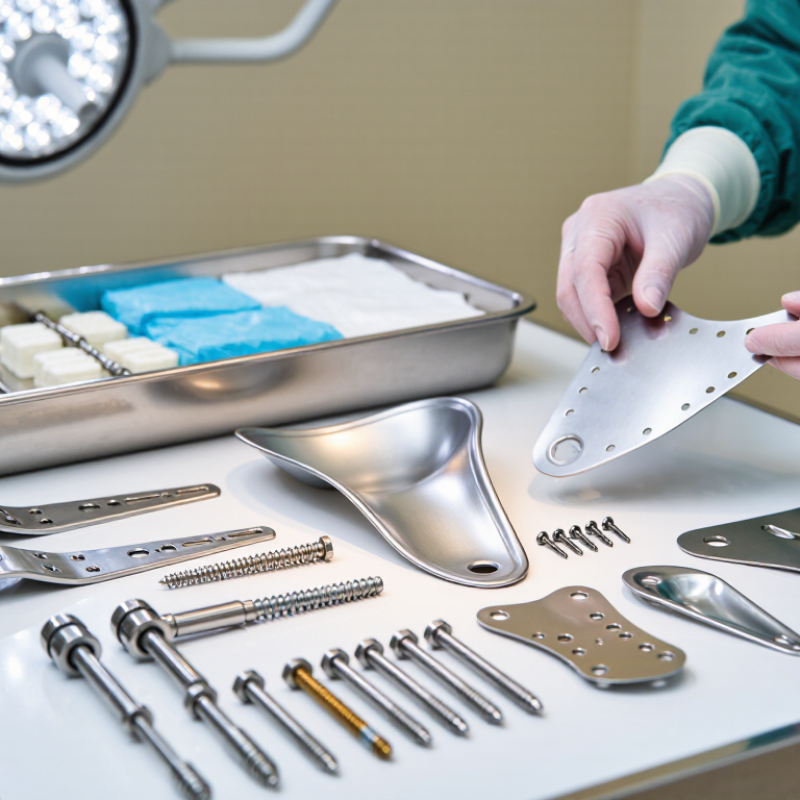
Foot and ankle fixation systems are medical devices that stabilize fractured or surgically corrected bones. Common components include screws, plates, wires, intramedullary nails, and external frames. Surgeons select them according to fracture pattern, bone quality, soft-tissue condition, and expected loading.
Their clinical purpose is precise. Fixation restores alignment, maintains joint congruity, and limits harmful movement during healing. In an ankle fracture, a plate may support the fibula while screws secure the medial side. In a fusion procedure, compression screws can hold joint surfaces together until bone bridges the gap. The goal is not simply stronger metal. It is controlled stability that supports safe rehabilitation.
The Global Burden of Disease Study 2019 reported about 178 million new fractures worldwide. That figure highlights the scale of fixation needs, but it does not define the correct device for every patient. Clinical evidence and surgical judgment remain essential. The AO Foundation emphasizes fracture reduction, stable fixation, and protection of local biology as core treatment principles. Poor soft-tissue handling can delay healing, even when implants appear well positioned. This is often underestimated.
The “best” system is therefore context-dependent. Age, diabetes, smoking, osteoporosis, activity level, and infection risk can change the treatment plan. A device may look ideal on an imaging screen, yet fail to support real walking demands. That uncomfortable gap deserves more attention.
Citation sources: Global Burden of Disease Study 2019, The Lancet; AO Foundation surgical principles.
Core Components and Design Features of Fixation Systems
Top Foot and Ankle Fixation Systems for Global Buyers
Core components include plates, screws, wires, and delivery instruments. Plates should follow common ankle contours without creating unnecessary prominence beneath thin skin. Locking and non-locking screw options support different bone qualities and fixation strategies. Cannulated screws can guide placement over a wire, while solid screws may provide simpler handling in selected cases. Fit matters.
Design details influence surgical control. Clear drill guides reduce off-axis drilling and help protect surrounding tissue. Depth gauges should provide readable measurements, even when gloves are wet or lighting is limited. A torque-limiting driver can reduce overtightening, but its calibration requires documented maintenance. Instruments should connect securely, release easily, and tolerate validated sterilization cycles.
Global buyers should examine material specifications, radiographic visibility, packaging integrity, and lot traceability. Titanium and stainless steel each offer practical advantages, but material choice must match the system’s intended use and compatibility requirements. Clinical feedback is valuable, especially from surgeons managing swelling, poor bone quality, or revision cases. No system is perfect. A larger instrument tray may increase versatility, yet it can slow setup and raise processing demands. That trade-off deserves honest review. Buyers should also check regulatory documentation for each target market, because approval in one region does not guarantee acceptance elsewhere.
Major Types of Foot and Ankle Fixation Devices
Top Foot and Ankle Fixation Systems for Global Buyers?
Foot and ankle fixation systems stabilize fractures, fusion sites, and ligament-related injuries. Each device solves a different mechanical problem. Bone quality matters. Common choices include cortical and cancellous screws, locking plates, compression staples, intramedullary nails, and external fixation frames. Screws can provide direct compression across a fracture. Plates add support when several fragments need alignment. Locking designs may help when bone is weak, but they are not automatically better for every case.
Small staples are often used in fusion procedures involving the toes or midfoot. Their low profile can reduce irritation beneath thin soft tissue. Intramedullary nails support selected ankle or hindfoot reconstructions through a central load path. External fixators use pins, rods, and clamps outside the body. They can be useful when swelling, open wounds, or severe instability limits internal fixation. Fit comes first.
For global buyers, technical review should cover alloy composition, screw compatibility, plate contours, imaging visibility, and sterilization instructions. Packaging must protect sharp edges and preserve implant traceability. Regulatory registration also differs between markets, so documentation deserves careful checking. Experienced surgical teams compare reduction goals, soft-tissue condition, bone density, and postoperative loading plans before selecting a system. A practical weakness remains: catalog descriptions cannot show how a plate behaves around an unusual fracture. Hands-on trials, training, and surgeon feedback may reveal problems that specifications miss.
| Device Type | Common Anatomical Applications | Typical Materials | Primary Fixation Function | Key Advantages | Important Limitations or Considerations | Global Buyer Selection Points |
|---|---|---|---|---|---|---|
| Bone Screws | Forefoot osteotomies, midfoot fusion, hindfoot fusion, fracture fixation, and small-joint arthrodesis. | Titanium alloy, stainless steel, or bioabsorbable polymers in selected applications. | Provides compression, interfragmentary fixation, or position maintenance across bone segments. | Broad size range, relatively simple instrumentation, and suitability for many foot and ankle procedures. | Purchase of the wrong length or diameter can cause prominence, inadequate purchase, or damage to adjacent structures. Screw placement requires accurate imaging and surgical technique. | Check thread design, head profile, cannulated options, driver compatibility, measurement instruments, and availability of sterile or non-sterile configurations. |
| Locking Plates | Ankle fractures, distal fibula fractures, calcaneal fractures, pilon fractures, and osteoporotic or comminuted bone. | Most commonly titanium alloy or stainless steel. | Combines plate contouring and fixed-angle screw fixation to support a fracture or fusion site. | Fixed-angle stability can be useful in poor bone quality and complex fracture patterns. Low-profile designs may reduce soft-tissue irritation. | More expensive and instrument-dependent than basic screw fixation. Plate prominence, soft-tissue irritation, and inadequate contouring remain possible concerns. | Evaluate anatomical coverage, left/right options, hole configuration, screw compatibility, radiographic visibility, and the completeness of the instrument set. |
| Non-Locking Plates | Stainless steel or titanium alloy. | Uses plate-to-bone compression and conventional screws to stabilize bone fragments. | Familiar technique, broad availability, and often lower system cost than locking constructs. | Performance depends strongly on bone quality, plate contour, screw purchase, and friction between the plate and bone. | Confirm plate thickness, hole spacing, contour options, corrosion resistance, and compatibility with existing screw inventory. | |
| Intramedullary Nails | Tibial shaft or distal tibial fractures and selected ankle or hindfoot fusion procedures using a hindfoot nail. | Titanium alloy is commonly used; stainless steel is also available in some systems. | Provides load-sharing fixation within the medullary canal, generally supplemented by locking bolts or screws. | Can provide strong axial alignment and load-sharing fixation with less reliance on a surface plate. | Requires appropriate canal preparation and fluoroscopic control. Malalignment, entry-site problems, nerve or tendon risks, and nonunion can occur. | Review nail diameter and length ranges, locking options, targeting accuracy, radiolucent imaging requirements, and compatibility with local imaging equipment. |
| K-Wires and Smooth Pins | Temporary fixation, small-fragment fixation, hammertoe procedures, forefoot surgery, and provisional reduction. | Stainless steel or nickel-titanium alloy, depending on the product and application. | Maintains alignment or holds small bone fragments during healing; may be removed after the required fixation period. | Low cost, simple design, useful for temporary stabilization, and available in many diameters and lengths. | Pin-tract infection, migration, bending, breakage, and soft-tissue irritation are recognized concerns. External ends require appropriate protection and follow-up. | Check diameter tolerance, tip geometry, sterilization method, packaging, wire-driver compatibility, and local rules for reusable instruments. |
| Staples | Small-joint arthrodesis, osteotomies, midfoot fusion, and selected hindfoot or ankle fusion applications. | Nitinol or other implant-grade metal alloys; some systems use titanium components. | Applies continuous compressive force across a prepared fusion or osteotomy site. | Low-profile design, relatively simple insertion, and compression that can continue after implantation in shape-memory designs. | Requires accurate slot or hole preparation and suitable bone geometry. Removal may be difficult if the implant is deeply seated or integrated. | Assess compression characteristics, deployment instruments, slot dimensions, radiographic markers, implant sizes, and storage requirements for shape-memory devices. |
| Headless Compression Screws | Small-joint fusion, osteotomies, fracture fixation, and procedures requiring a low-profile implant. | Titanium alloy or stainless steel. | Generates interfragmentary compression while allowing the screw head to be countersunk below the bone surface. | Reduced prominence can be beneficial in areas with limited soft-tissue coverage. Cannulated designs may assist guided insertion. | Over-compression, loss of purchase, incorrect trajectory, or screw penetration into a joint can compromise the result. | Check compression range, thread configuration, guidewire size, countersink design, screw length increments, and compatibility with imaging and instruments. |
| Syndesmotic Fixation Devices | Stabilization of distal tibiofibular syndesmosis injuries associated with ankle fractures or ligament disruption. | Metal screws, flexible suture-based constructs, buttons, or combinations of these materials. | Maintains tibia-fibula relationship while the syndesmotic ligaments heal. | Different constructs allow surgeons to select rigid or flexible fixation according to injury pattern and treatment preference. | Malreduction, loosening, breakage, irritation, and the possible need for later removal vary by construct and patient factors. | Review tunnel or screw diameter, number of fixation points, implant retrieval options, MRI conditions, and required reduction instruments. |
| External Fixators | Open fractures, severe soft-tissue injury, temporary damage-control stabilization, limb reconstruction, and complex deformity correction. | Stainless steel, titanium, carbon-fiber composite rods, and stainless-steel or titanium pins. | Stabilizes bone externally while allowing access to injured soft tissues and wounds. | Adjustable configuration, useful when internal fixation is unsuitable, and adaptable to staged treatment. | Pin-site infection, frame bulk, patient-management demands, and alignment maintenance require careful follow-up and training. | Evaluate modularity, pin and rod sizes, radiolucency, frame assembly, sterilization workflow, and availability of replacement components. |
| Suture Anchors | Repair of ankle ligaments, tendon attachments, and selected soft-tissue procedures around the foot and ankle. | Metal alloys, PEEK, or bioabsorbable polymers with high-strength sutures. | Secures ligament or tendon tissue to bone through a drilled hole or prepared socket. | Small implant footprint and suitability for minimally invasive or limited-exposure soft-tissue repair. | Pullout, knot or suture failure, tunnel damage, and inflammatory response may occur. Bone quality and insertion angle are important. | Confirm drill size, anchor insertion depth, suture configuration, pullout performance data, MRI labeling, and sterile packaging details. |
| Bioabsorbable Fixation Devices | Selected osteotomies, small-fragment fixation, interference fixation, and soft-tissue repair where gradual material resorption is desired. | Absorbable polymers such as PLLA, PLGA, or related composite materials. | Provides temporary fixation while the tissue or bone heals, followed by gradual material degradation. | May reduce the need for routine removal and can limit long-term retained-metal artifact in selected cases. | Resorption time varies by material and design. Inflammatory reaction, loss of mechanical strength, and limited indications must be considered. | Review material-specific resorption profile, mechanical strength over time, storage conditions, contraindications, and regulatory status in the destination market. |
| Compression Screws for Arthrodesis | Subtalar, talonavicular, calcaneocuboid, ankle, and midfoot fusion procedures. | Titanium alloy or stainless steel. | Compresses prepared joint surfaces to support osseous fusion and maintain alignment. | Designed for strong purchase and stable compression across fusion sites; multiple screw trajectories can be used in selected constructs. | Nonunion, malalignment, hardware prominence, and joint penetration are possible. Adequate joint preparation and biological conditions remain essential. | Compare screw diameter, length range, thread pitch, head profile, cannulated instrumentation, and compatibility with fusion plates or additional screws. |
Selection Criteria for Global Medical Buyers
For global medical buyers, choosing a foot and ankle fixation system starts with patient needs, not catalogue size. A low-profile plate may reduce soft-tissue irritation. Locking screws can support osteoporotic bone. The system should match fracture patterns, bone quality, surgeon skill, and available imaging. Small details matter. Can markings remain clear under theatre lighting? Does the instrument tray fit a standard sterilizer? Operating teams notice these issues quickly.
The WHO Global Patient Safety Action Plan 2021–2030 reports that one in ten patients experiences harm during healthcare, with over half considered preventable. Buyers should therefore review peer-reviewed outcomes, complication rates, radiographic follow-up, and instructions for use. A 2024 industry outlook projects mid-single-digit annual growth for foot and ankle devices. Growth, however, does not prove clinical value. Evidence beats optimism.
Cost evaluation should include the full procedure. Consider implants, instruments, sterilization time, inventory levels, training, returns, and revision support. OECD Health at a Glance 2023 reported average healthcare spending of 9.2% of GDP across OECD countries in 2022, increasing pressure on procurement teams. A cheaper screw may create hidden costs if delivery is unreliable. No scorecard is perfect. Buyers should test representative trays, verify regulatory documentation, and ask surgeons to challenge the selection. One weakness may remain: published evidence is often stronger for common fractures than complex cases.
Manufacturing, Compliance, and Supply Considerations
Top Foot and Ankle Fixation Systems for Global Buyers?
For global buyers, a reliable fixation system begins with controlled manufacturing. Inspect implant-grade materials, machining tolerances, surface finish, and packaging integrity. Ask for batch records, material certificates, and process validation evidence. Skilled suppliers should explain how they manage drilling guides, screws, plates, and instrument compatibility. Small dimensional errors can affect surgical handling and fit. That detail matters.
Compliance must match the destination market, not only the factory’s home market. Review quality-management certification, technical documentation, risk analysis, sterilization information, and post-market procedures. Confirm whether the supplier supports local registration and authorized distribution requirements. Do not rely on certificates alone. Check their scope, validity, and product coverage. A polished document can still hide weak controls.
Tips: Request sample units, inspection reports, and a traceability demonstration before placing a large order. Compare lead times, minimum order quantities, replacement policies, and forecast flexibility. Maintain a second qualified source when practical. However, dual sourcing may increase evaluation costs and documentation work. Plan for customs delays, temperature-sensitive storage needs, and unexpected demand changes. No supply plan is perfect. Regular reviews expose assumptions before they become expensive problems.
FAQS
Common components include plates, screws, wires, drill guides, depth gauges, and delivery instruments. Each part supports a specific surgical task. Fit matters.
Locking screws connect securely with threaded plate holes. They may help with weak bone. Non-locking screws can provide direct compression. Neither option is always better.
Cannulated screws pass over a guide wire. This can improve placement control during difficult alignment. Solid screws may offer simpler handling in selected cases.
Plates should follow common ankle contours. They should avoid unnecessary prominence beneath thin skin. Buyers should check alloy details, imaging visibility, and screw compatibility.
Small compression staples are often used for toe or midfoot fusion. Their low profile may reduce soft-tissue irritation. The result still depends on fit and bone condition.
External frames use pins, rods, and clamps outside the body. They may help when swelling, open wounds, or severe instability restrict internal fixation. They are not suitable for every case.
Clear drill guides can reduce off-axis drilling. Readable depth gauges help in wet gloves or dim lighting. Torque-limiting drivers may reduce overtightening, but calibration records matter.
Review regulatory documents for every target market. Check packaging integrity, lot traceability, sterilization instructions, and material compatibility. Approval in one region may not transfer elsewhere.
Not completely. A catalog cannot show how a plate fits an unusual fracture. Hands-on trials and surgeon feedback may reveal hidden problems. That limitation deserves honest review.
A larger instrument tray may support more procedures. It can also slow setup and increase processing demands. More options are not automatically more efficient.
Conclusion
Foot and ankle fixation systems are medical devices designed to stabilize fractures, correct deformities, and support bone healing in the foot and ankle. This overview explains their clinical purpose, essential components, and key design features, including plates, screws, pins, wires, and fixation frames. It also introduces major device categories and considers how their structure, material, strength, flexibility, and ease of use may affect surgical outcomes.
For global medical buyers, selecting suitable systems requires evaluating clinical application, anatomical compatibility, product quality, sterilization options, packaging, traceability, and supply reliability. Buyers should also review manufacturing capabilities, quality management procedures, regulatory documentation, technical support, and after-sales service. A balanced assessment of performance, safety, cost, availability, and compliance can help healthcare organizations choose dependable fixation solutions for different surgical needs and market requirements.

Blog Tags: