
Orthopedic Surgical News and Articles

Habakkuk Health Insights

Orthopedic News & Clinical Knowledge

Latest perspectives, technological advancements, and insights in joint reconstruction and trauma care.

0%

Choosing Total Hip Replacement Systems is not simply a matter of selecting the newest implant or the best-known brand. Each system combines a stem, cup, liner, and femoral head, with choices in materials and fixation. Details matter. A ceramic head paired with a polyethylene liner, for example, has different wear characteristics from other combinations. Yet no material pairing is automatically right for every patient.

The decision depends on factors such as bone quality, anatomy, activity level, allergies, and the surgeon’s technique. A line often attributed to Sir John Charnley, a pioneer of modern hip replacement, says, “The most important factor in the success of total hip replacement is the surgeon.” It is a useful reminder, but not a complete selection rule. The implant still deserves careful scrutiny. Ask about the proposed components, the reason for the fixation method, and the surgeon’s experience with that specific system. It is also worth discussing registry data, expected implant longevity, and possible revision risks. A brochure may make a system look straightforward. Real bodies are less predictable, and even good evidence cannot promise an individual outcome. Patients should review these questions with a qualified orthopedic surgeon, who can relate the options to their medical history and imaging. That conversation may feel less tidy than comparing product features, but it is more useful.
How to Choose Total Hip Replacement Systems?

Understand the Components of a Total Hip Replacement System

How to Choose Total Hip Replacement Systems?

Understand the Components of a Total Hip Replacement System

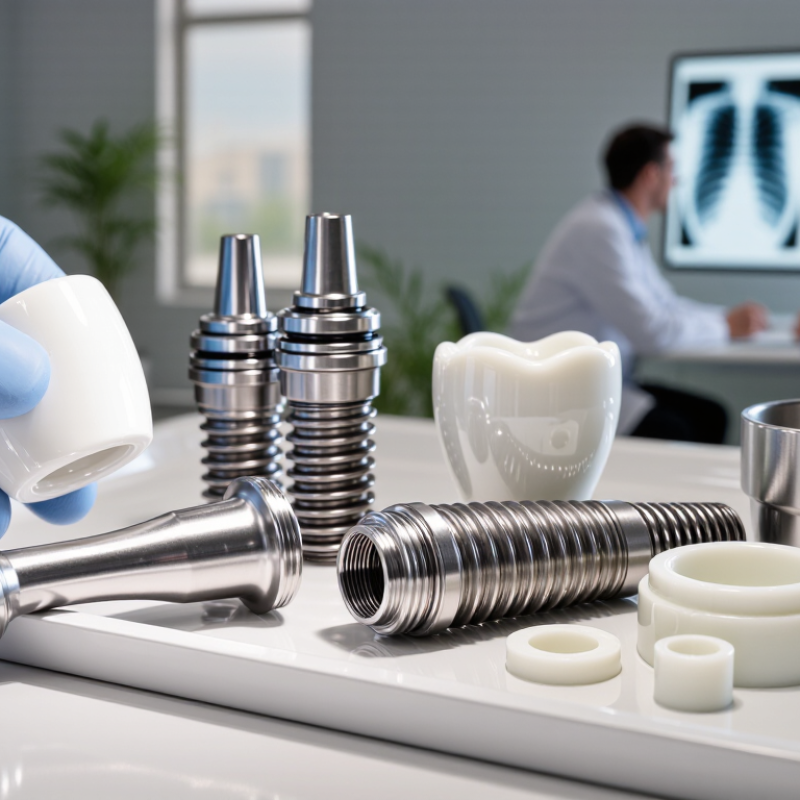
A total hip replacement has four main parts: an acetabular cup, a liner, a femoral stem, and a head. The cup sits in the pelvic socket, while the stem fits inside the upper thighbone. The liner rests within the cup, and the head joins the stem to recreate a smooth joint surface.

Small differences matter.

Cup and stem fixation may use bone cement or a porous surface designed for bone to grow onto. The suitable method depends on bone quality, anatomy, activity, and the surgeon’s assessment. The bearing surface, where the head meets the liner, can use different material combinations. Each has trade-offs in wear, fracture risk, and clinical evidence; no material is best for every person.

Fit is more than a size label. A clinician considers imaging, bone shape, stability, leg length, and movement needs when matching components. Ask how each part is expected to function in your case, and what alternatives may mean for recovery and follow-up.

The labels can make this sound more exact than it is. That is worth revisiting. A system’s parts work together, but outcomes also depend on surgical technique, healing, and individual health. Discuss the options and risks with your orthopedic team.

Identify Patient-Specific Needs and Surgical Considerations

How to Choose Total Hip Replacement Systems? Identify Patient-Specific Needs and Surgical Considerations

Choosing a total hip replacement system starts with the person, not an implant catalogue. Pain, bone quality, age, activity goals, and medical conditions all matter. X-rays help assess anatomy, bone stock, leg length, and deformity. Previous surgery can change the plan. Set realistic expectations. A 2019 Lancet systematic review of national joint registry reports estimated that 58.4% of hip replacements remained unrevised at 25 years. This is a population estimate, not a personal forecast; age, implant type, and revision definitions affect the results.

Surgical considerations include fixation method, bearing surfaces, component size, and how reliably the surgeon can position them. Bone quality may influence whether cemented or uncemented fixation is appropriate. A patient with fragile bone may have different priorities from a younger, highly active patient. Discuss risks such as dislocation, infection, and leg-length difference, along with recovery needs at home. Registry averages help frame choices, but they cannot settle every individual case. That uncertainty deserves an honest conversation.

Tips: Bring your medication list and questions about daily activities, such as climbing stairs or gardening. Ask how each option fits your anatomy and the surgeon’s experience. Note your priorities in advance; details can be easy to forget during an appointment.

Compare Implant Materials, Designs, and Fixation Methods

Total hip replacement systems combine a femoral stem, a ball, and a socket liner. Each part can use different materials. Titanium alloy stems are commonly designed to encourage bone growth, while cobalt-chromium or ceramic may be used for the ball. A highly cross-linked polyethylene liner offers a durable bearing surface for many patients. Ceramic can reduce wear, but no material is perfect. Small details matter.

Design affects how the joint moves and how forces pass through the implant. Some stems are shorter or shaped to preserve more bone; others prioritize stability across a wider range of anatomy. Cup size, ball diameter, and liner thickness also influence motion and dislocation risk. A larger ball may improve stability, yet it can require different component dimensions. Fit matters. Imaging and measurements help the surgeon assess these trade-offs, though no plan removes every uncertainty.

Fixation may be cemented, cementless, or a combination of both. Cemented fixation can provide immediate stability, while porous cementless surfaces rely on bone growing into the implant over time. Bone quality, age, activity, and anatomy all inform the choice. A system that suits one person may not suit another. Ask the surgeon why a particular material and fixation method fit your scans, health history, and recovery goals. It is reasonable to revisit the plan if any part remains unclear.

How to Choose Total Hip Replacement Systems?

Compare implant materials, designs, and fixation methods

How to read this chart: Young’s modulus indicates material stiffness. The values shown are approximate typical values; they vary by material grade and manufacturing. Titanium alloys are commonly used for stems, cobalt-chromium alloys for components such as femoral heads, and alumina ceramics for bearing surfaces. Implant design and fixation are separate considerations: stems may be cemented or designed for cementless bone ingrowth, depending on patient and clinical factors.

Review Clinical Evidence, Risks, and Implant Longevity

Choosing a total hip replacement system means weighing clinical evidence, complications, and expected service life—not simply choosing the newest design. Ask how outcomes compare for patients of similar age, activity level, and bone quality. Risks include infection, dislocation, fracture, and later revision. No implant removes them.

A 2019 Lancet systematic review estimated that 57.9% of hip replacements in registry data remained unrevised at 25 years. This is a population estimate, not a personal forecast; the data include different implant generations and patient groups. The National Joint Registry’s annual reports also break down revision outcomes by factors such as age and fixation method. Compare like with like, and ask whether the evidence reflects today’s materials and surgical practice.

Longevity depends on more than the implant. A surgeon’s experience, accurate positioning, and follow-up care matter too. Ask what evidence supports the proposed bearing and fixation, and how often comparable patients need revision. Ask about local complication rates. Not just averages. Registry data can lag behind newer designs, while small studies may look reassuring but miss rare harms. Evidence is imperfect. That uncertainty deserves an honest discussion before surgery.

Discuss System Options with an Orthopedic Surgeon

Choosing a total hip replacement system is a clinical decision, not a contest between product features. Ask your orthopedic surgeon how your bone quality, activity level, age, and medical history affect the options. The discussion may include cemented or uncemented fixation, bearing materials, and implant shape. Each choice has trade-offs. For example, bone strength can influence fixation, while expected activity may shape conversations about wear. Ask what the surgeon uses regularly and why it suits your anatomy. That experience matters. So does asking about alternatives.

Ask for evidence that relates to your situation, not just a general “success rate.” The American Joint Replacement Registry’s 2023 Annual Report included data from more than 3.1 million hip and knee procedures. Such registry data help clinicians examine outcomes and revision patterns across patient groups, but they cannot predict one person’s result. Discuss what the figures do—and do not—tell you. Bring a written list of questions, including recovery expectations, possible complications, and how long different systems have been followed. The evidence may not settle every choice. That is worth acknowledging. A clear conversation can still help you make a decision you understand.

How to Choose Total Hip Replacement Systems? - Discuss System Options with an Orthopedic Surgeon

Use this overview to prepare for a discussion with an orthopedic surgeon. The appropriate implant and surgical plan depend on individual anatomy, bone quality, medical history, activity goals, and the surgeon’s assessment.

Decision area Common options What may matter Questions to discuss
Implant components A total hip replacement typically includes an acetabular cup and liner in the pelvis, plus a femoral stem and head. Component shape, size, positioning, and fit are selected to suit the patient’s anatomy and help restore hip function. How will my anatomy affect component selection and positioning?
Fixation method Cemented: bone cement secures one or both components.
Cementless: components are designed for bone to grow onto or into their surfaces.
Hybrid: cemented and cementless fixation are combined.
Bone quality, fracture risk, anatomy, and the surgeon’s experience can influence the choice. No method is best for every patient. Which fixation method do you recommend for my bone quality, and why?
Bearing surface Common combinations include a ceramic or metal femoral head articulating with a highly cross-linked polyethylene liner. Ceramic-on-ceramic is another option for selected patients. Materials differ in wear characteristics and possible complications. The choice should account for individual needs and the surgeon’s clinical judgment. Which bearing combination is suitable for me, and what are its specific risks?
Femoral head size Several head diameters are available, depending on the implant system and the patient’s anatomy. Head size can affect hip stability, range of motion, and the amount of material at the bearing surface. Larger is not automatically better. How does the planned head size balance stability, movement, and other risks?
Stem and cup design Components come in different shapes, sizes, and surface designs. Options may include standard or shorter stems and different cup geometries. Design selection depends on anatomy, bone stock, fixation plan, and the surgeon’s assessment. A particular design does not guarantee a specific outcome. What features of the planned design address my anatomy or clinical situation?
Surgical approach and technique Common approaches include anterior, posterior, and lateral approaches. The approach is a surgical-plan choice, not an implant material. Each approach has potential benefits and risks. Suitability depends on the patient, surgeon training, and clinical circumstances. Which approach do you recommend, and what recovery considerations apply to me?
Surgeon experience and follow-up Discuss the surgeon’s experience with the proposed procedure and how recovery and follow-up are managed. Clear expectations about rehabilitation, activity progression, and warning signs are important parts of treatment planning. What is the follow-up schedule, and whom should I contact if I have concerns?
Personal priorities Consider pain relief, mobility goals, work and leisure activities, other health conditions, and personal preferences. Implant choice is one part of care; outcomes also depend on factors such as overall health, rehabilitation, and the reason for surgery. Which options best fit my goals, and what limitations or risks should I understand?

Important: This table is general educational information, not a personal recommendation. Ask an orthopedic surgeon to explain the benefits, risks, and alternatives for your specific situation.

FAQS

What information should I bring to a hip replacement consultation?

Bring your medication list, recent X-rays, and questions about daily activities. Mention stairs, gardening, and previous surgery.

How does bone quality affect implant fixation?

Fragile bone may make cemented fixation worth discussing. Cementless fixation relies on bone growing into porous surfaces over time. The scan helps guide the choice.

Which materials may be used in a hip replacement?

A system may combine a titanium-alloy stem, a ceramic or cobalt-chromium ball, and a polyethylene liner. No material is perfect.

Does a larger ball always reduce dislocation risk?

A larger ball may improve stability, but it affects component dimensions and must fit your anatomy. Ask how your measurements shape the plan.

How long can a hip replacement last?

Registry research gives population estimates, not personal forecasts. Some estimates suggest many replacements remain unrevised after 25 years, but results vary by patient and implant.

What risks should I discuss before surgery?

Ask about infection, dislocation, fracture, leg-length difference, and possible revision. Also discuss recovery needs at home.

How can I compare evidence for different systems?

Ask for outcomes in patients with similar age, activity, and bone quality. Check whether the evidence reflects current materials and surgical practice.

What if I am still unsure about the proposed system?

Ask why its materials and fixation suit your scans and goals. It is reasonable to revisit unclear details. I would want specifics, too.

Conclusion

Choosing Total hip replacement systems involves understanding how the implant’s components work together and how they may suit an individual patient. Factors such as anatomy, activity level, overall health, and the surgical approach can influence which options are appropriate. Patients and care teams should compare implant materials, design features, and fixation methods, considering how each may affect stability, comfort, and recovery.

It is also important to review available clinical evidence, potential risks, and expected implant longevity without assuming that one system is best for everyone. An orthopedic surgeon can explain the relevant options, discuss individual circumstances, and help weigh benefits and limitations. A thoughtful, informed discussion supports a choice that aligns with the patient’s needs and treatment goals.

Evelyn

Evelyn

Evelyn is a seasoned marketing professional with an exceptional grasp of her company's product offerings. With a deep understanding of the industry and consumer trends, she plays a pivotal role in shaping the company's marketing strategies. Evelyn consistently updates the company blog with......