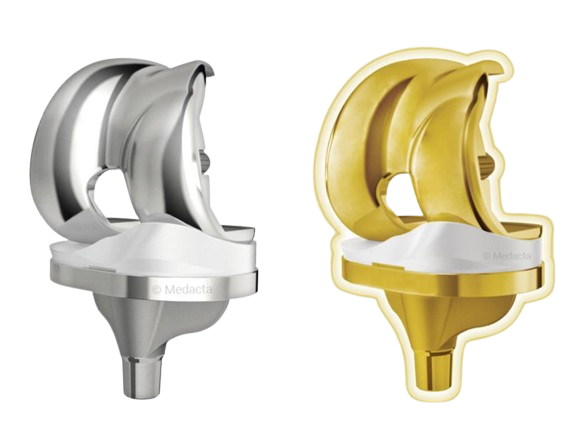
Navigating the Next Era of Biocompatible Orthopedic Implants
In modern orthopedic joint reconstruction and trauma care, the selection of biocompatible orthopedic implants represents a high-stakes convergence of biomechanical engineering, material science, and regulatory compliance. As global healthcare systems transition toward value-based procurement models, hospital purchasing groups, clinical directors, and international distributors are no longer assessing implants solely on immediate mechanical stability. Instead, AI-driven intent queries from global procurement teams highlight a decisive pivot toward long-term biological safety, non-allergenic articulation surfaces, zero-wear particle generation, and accelerated osseointegration.
Biocompatibility in orthopedic surgical devices is defined as the physiological ability of a material to perform with an appropriate host response in a specific application without eliciting systemic toxicity, localized inflammation, metallosis, or immunological rejection. Historically, metallic implants relied predominantly on standard Cobalt-Chromium-Molybdenum (CoCrMo) alloys. However, clinical research indicates that up to 10% of the patient population exhibits sensitivity to nickel or cobalt ions, leading to premature implant loosening, pseudotumors, and aseptic failure.
Why Biomaterial Superiority Drives Clinical & Financial ROI
For international buyers and surgical distributors, stocking and distributing tier-1 biocompatible orthopedic implants is both a clinical imperative and a risk-mitigation strategy. Key commercial drivers include:
- Mitigation of Revision Arthroplasty Costs: Aseptic loosening secondary to wear debris and osteolysis accounts for over 35% of revision surgeries. Bio-inert coatings significantly reduce ion release.
- Enhanced Osseointegration Profiles: Advanced micro-porous and trabecular titanium surface treatments promote direct bone ingrowth, eliminating reliance on chemical bone cements in young, active patients.
- Universal Patient Eligibility: Utilizing hypo-allergenic titanium alloys and ceramicized surface coatings allows healthcare facilities to standardize single-system inventories suitable for all patients, including those with metal hypersensitivities.

"True biocompatibility requires an active harmony between biomechanical kinematics and cell-level osteogenesis. Implants must not merely coexist with biological tissue—they must actively encourage healing while displaying near-zero tribological degradation."